




X

To country websites

France
onet.fr
Luxembourg
onet.lu
Spain
onet.es
Portugal
onet.pt
United States
epm-inc.com

Governance

Onet is a family-owned group, held by the Reinier family since its foundation. 

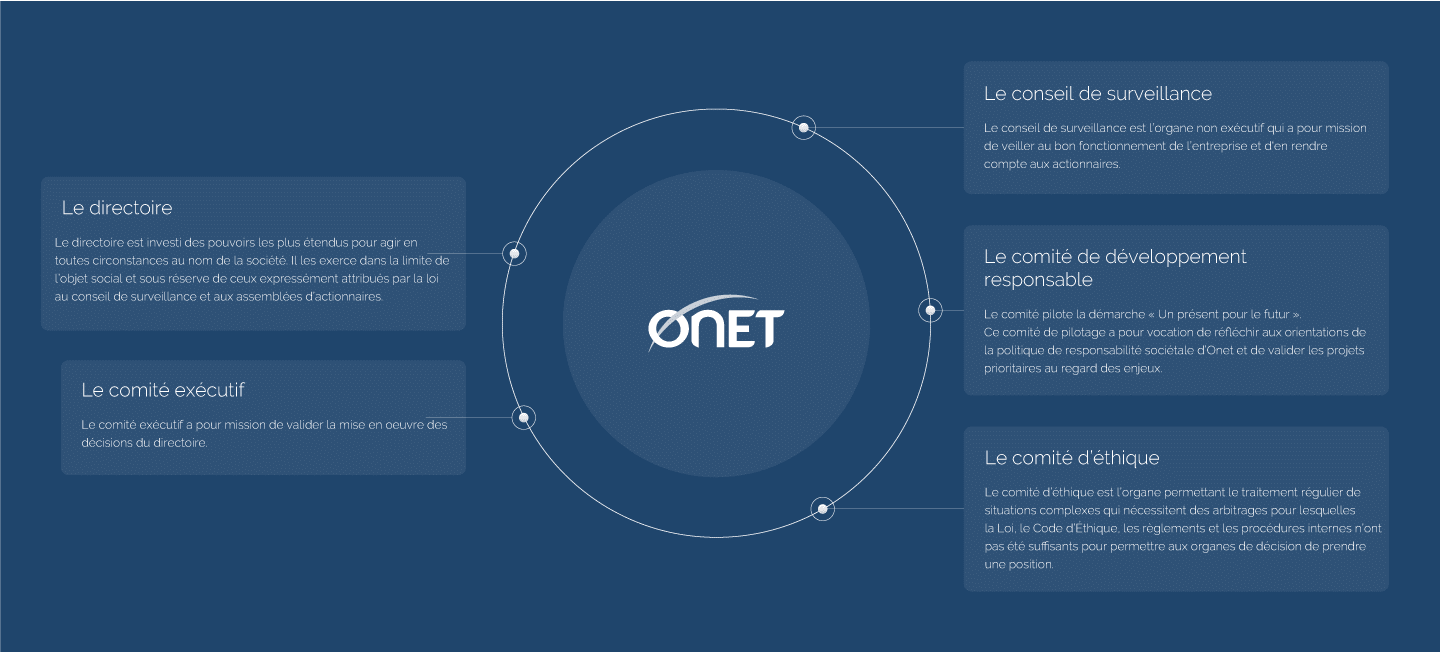
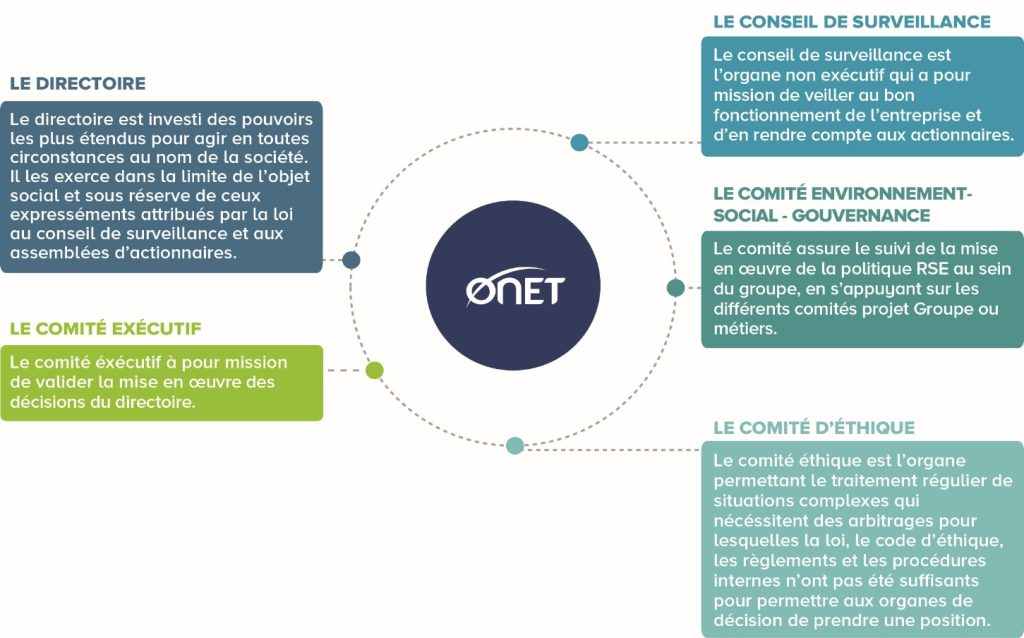
The company is managed by a Management Board, which performs its duties under the supervision of the Supervisory Board set up by Article 15 of the Articles of Association.

Onet governance bodies

The shareholders are brought together under the umbrella of Reinier Holding, which is governed by a Board of Directors.


the Board and the Executive Committee of the family-owned Onet Group implement the Group's strategy, and ensure the quality and added value of the projects we carry out for our customers and employees. They are chaired by Emilie de Lombarès, representing the 7th generation of the founding family.


the Board performs its duties under the supervision of the Supervisory Board. Two committees assist the Board in its decision-making: the Ethics Committee and the ESG Committee.

the Board is chaired by Emilie de Lombarès. the Board meets at least four times a year. It is appointed by the Supervisory Board for a three-year term, at the end of which it is entirely renewed. Board members may be re-elected at any time. They may be chosen from outside the shareholder body, but must be natural persons.

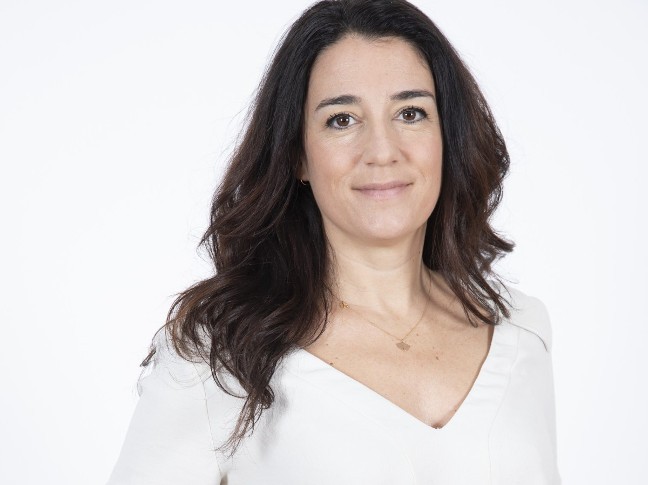
Emilie de Lombarès

Chairman of the Board

Having joined the Group in 2008, Emilie de Lombarès began her career at Mazars and became Chairman of the Group's Management Board in 2018. Representing the seventh generation of the Reinier family, Émilie de Lombarès is determined to perpetuate the family adventure and heritage.
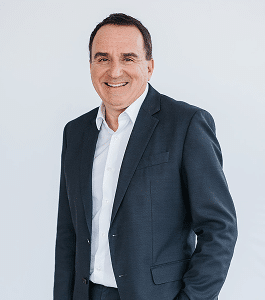
Alain Gauvin

Alain Gauvin

CEO International Nuclear Engineering & Services Chairman of the Board – EPM

The Supervisory Board is composed of 10 members. It is chaired by Michel Coquet. It meets as often as the interests of the company require and, in any event, at least four times a year to hear the Management Board's quarterly report. It appoints the Chairman and members of the Management Board. The Supervisory Board exercises ongoing oversight of the Board management of the company. To this end, it conducts any audits and checks it deems appropriate at any time of the year and obtains any documents it considers useful for the performance of its duties. It deliberates on the company's general strategy, which is subject to its approval. The members of the Supervisory Board are appointed from among the individual or corporate shareholders by the Ordinary General Meeting, which may remove them at any time. The term of office of a member of the Supervisory Board is three years. Any outgoing member is eligible for re-election.

Formation of the Supervisory Board

Michel Coquet

Chairman of the Supervisory Board
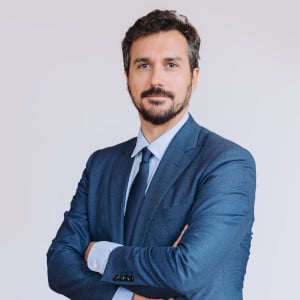
Benjamin Coquet

Vice president

Quentin Coquet-Reinier

Administrator Director of Event Activities, Onet

Stephan Brousse

Administrator Deputy Chief Executive Officer Brousse Vergez

Gilles Lafon

Administrator
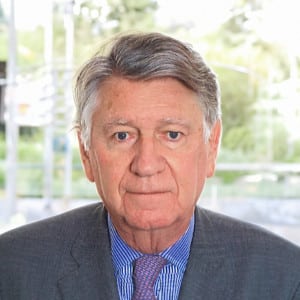
Maurice de Kervanoël

Administrator

Cécile Angulo Henry

Administrator

Nathalie Sénéchault

Administrator
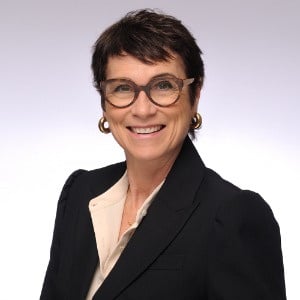
Sonia Artinian-Fredou

Administrator

The executive committee is composed of eight members. It is chaired by Emilie de Lombarès. It meets once a month. It brings together representatives from the company's key operational structures. If necessary, decisions can be shared and communicated internally.

Constitution of the Executive Committee

Emilie de Lombarès

Chairman of the Board
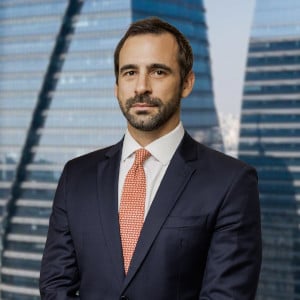
Philippe Mari

CEO, International Facilities Services
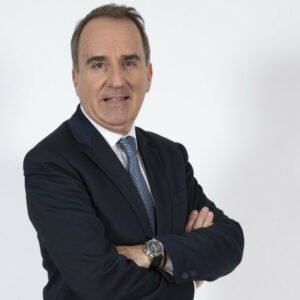
Alain Gauvin

CEO International Nuclear Engineering & Services
Chairman of the Board – EPM
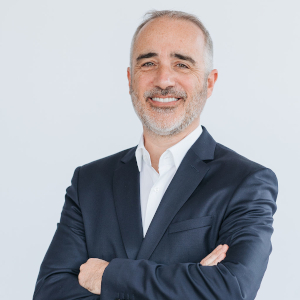
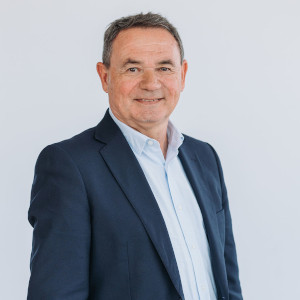
Xavier Ouvrard

General Manager ofOnet Cleaning and Associated Services
Stéphane Dupont

Executive Vice-President ofOnet Cleaning and Associated Services

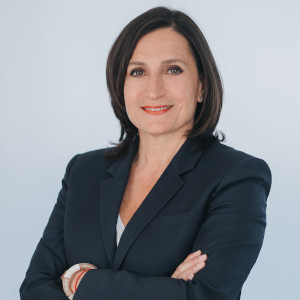
Fabienne Pillet

General Manager ofOnet Security and Onet Accueil
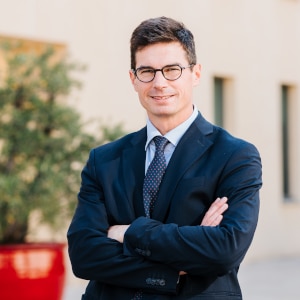
Guillaume de Montessus

Managing Director, Onet Logistique and Onet Airport Services

Magali Bousquet

Marketing and Communications Director

Elodie Volle

Human Resources Director
To meet its ambition of becoming a company with an impact, Onet has included the "#planet" pillar in its 2023-2026 strategic roadmap, along with the "#people" and "#teams" pillars aimed at improving our social and societal impacts while reducing the impact of our operations and developing solutions that contribute directly to preserving the planet. Within this framework, the ESG (Environment-Social-Governance) Committee oversees the Group's strategic orientations in terms of corporate social responsibility, with the support of the various Group and business line project committees contributing to the roadmap. As such, it is responsible for :
  • Identification of ESG impacts, risks and opportunities, and related transition plans
  • The ESG reporting process with regard to DPEF and CSRD obligations
  • The effectiveness of actions in terms of ESG performance
  • Taking into account the areas for improvement identified by our stakeholders
The ESG Committee is chaired by Emilie de Lombarès, Chairman of the Board Onet Onet SA, and led by Laurence Acerbo, Responsible Development Director. It meets quarterly and is attended by the following departments: responsible development, business lines, human resources, marketing & communication, general resources and purchasing, finance...

ESG Committee members

Emilie de Lombarès

Chairwoman of the ESG Committee Chairman of the Board
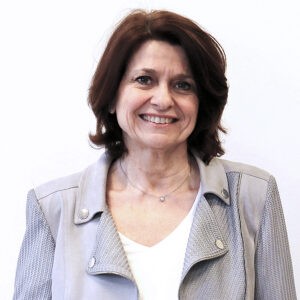
Laurence Acerbo

Group Responsible Development Director
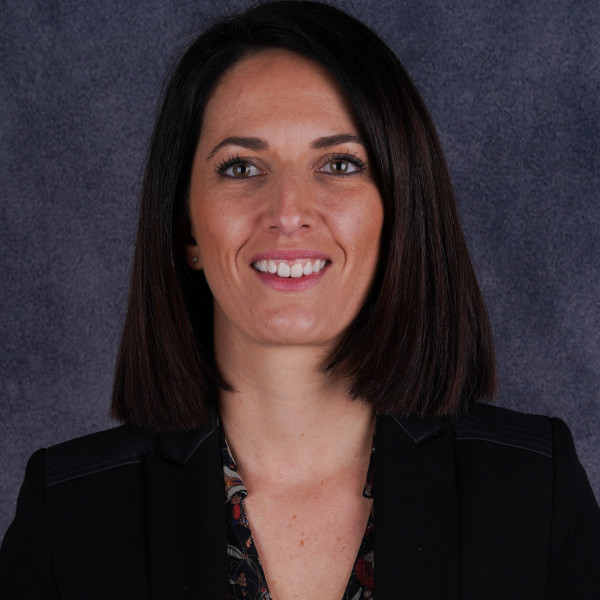
Julie Champourcin

Director of Accounting, Tax & Financing
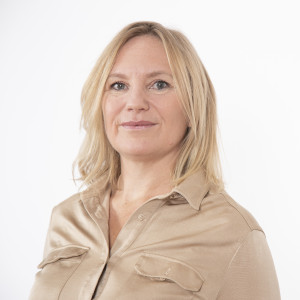
Muriel Duguay

Director, Environmental Transition
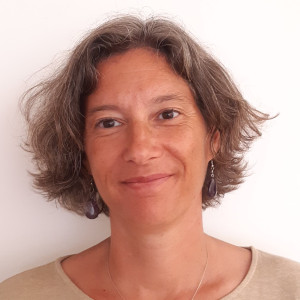
Vanessa Novosel

Chief Data Officer Project Management Assistance Department

Maxime Jullian

ESG Manager Responsible Development Department

Jean-Christian Reynaud

Director of Central Management Control
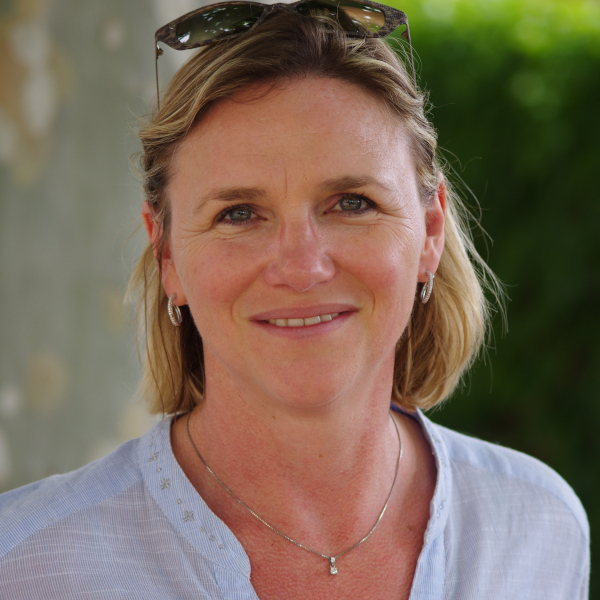
Marielle Capel

Consolidation Manager
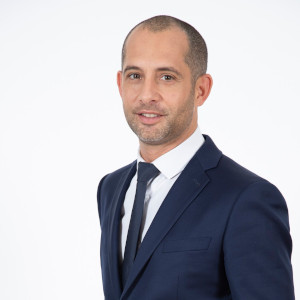
Nicolas Moracchini

Audit and Risk Management Director

Onet's Ethics Committee is a specific governance support body, designed to centralize issues relating to professional ethics at Onet in an advisory, information and monitoring role. It deals with complex situations requiring investigation or arbitration when the context prevents management from taking a decision. The Committee operates on two levels: it can be consulted by the Board or can act on its own initiative on general ethical issues (related to organization, processes, etc.), and it is responsible for handling cases reported via the whistle-blowing system.